Marriage Repair for High-Responsibility Couples

Dwayne Kruse • February 25, 2026

Stop the debate loop. Reset the pattern. Get back on the same team.

Red suspension bridge tower rising above thick fog at dawn

Some couples don’t fight because they hate each other. They fight because they’re tired, pressured, and running different stress responses in the same space.

One person pushes for clarity, connection, resolution—right now.
The other person withdraws, delays, sidesteps, goes flat, or gets defensive.

Then it turns into the most exhausting loop on earth:
pursue → withdraw → escalate → shutdown → repeat.

And both people walk away feeling alone.

The Stress Model: it’s not “communication,” it’s regulation

Most couples try to fix marriage conflict by talking more, explaining more, proving more.

But when stress is high, talking becomes fuel.

Because the real problem isn’t the topic. It’s the nervous system state under the topic.

When one person is in overdrive and the other is in shutdown, the system becomes unstable. You get:

  • misread intent (“you don’t care” / “you’re attacking me”)
  • tone wars
  • defensiveness
  • long debates that never land anywhere
  • cold distance afterward

In the Stress Model, we treat that as a cycle, not a character flaw.

The “debate” isn’t the problem

The debate is the symptom.

The problem is that the system doesn’t have a reliable way to:

  1. slow down activation,
  2. stay on the actual topic,
  3. repair after impact.

So you keep returning to the same emotional cliff.

What marriage repair looks like in a Stress Model approach

We don’t start by digging up the entire history. We start by changing what happens this week.

We map:

  • What flips the switch into escalation
  • What each person does when stress hits
  • How the other person interprets it
  • What words or behaviors ignite the spiral

Then we install structure that keeps the system from going off the rails.

Not “be nicer.” Not “use I-statements.” Structure.

Examples of structure:

  • a rule that you don’t start heavy topics when either person is activated
  • a rule that you don’t corner each other at bedtime
  • a rule for timeouts that isn’t abandonment (and isn’t punishment)
  • repair language that’s simple and repeatable

The goal is safety, not victory

High-responsibility couples often treat conflict like a courtroom:
who’s right, who’s wrong, who’s justified.

That mentality kills marriage.

Marriage repair happens when the system becomes safe enough for honesty without warfare.

And safety is built through consistent, repeatable structure—not emotional intensity.

The turning point most couples miss

Most couples keep trying to talk their way back to closeness while their bodies are still in threat mode.

It doesn’t work.

The turning point is when you learn to say:
“We’re activated. This isn’t the real conversation. Let’s reset first.”

That one sentence is the beginning of control.

If your marriage feels like a constant “almost”

If you love each other but the cycle keeps winning—this is fixable. But it’s not fixed by more arguing. It’s fixed by resetting the stress pattern and building a stable structure that holds under pressure.

Call for a free consultation: 520-678-1115
Not an emergency service. If you’re in immediate danger or considering self-harm, call 911 or 988.


A man and woman set aside shields and swords, extending open hands toward each other to symbolize vu
By Dwayne Kruse • September 17, 2026
Learn how vulnerability and compassion help couples reduce defensiveness and rebuild trust. Practical guidance from Attainable Family Solutions in Sierra Vista.
A couple moves from arguing to holding hands, walks together desert sunset, symbolizing reconnection
By Dwayne Kruse • September 10, 2026
Why do couples keep having the same fight? Learn how stress, unmet needs, and old patterns affect connection, with Attainable Family Solutions in Sierra Vista.
By Dwayne Kruse • September 10, 2026
Being a Dad Being a dad is not having all the answers or never losing your way. It is learning to notice when the pressure is rising— in your child, in your family, and in yourself. It is knowing that stress travels. A tightened jaw, a sharpened voice, a door closed too hard— one nervous system calling out to another. And so is calm. Being a dad is becoming aware of what you bring into the room. Your children may forget your advice, but their bodies remember whether your presence felt like shelter or another storm to survive. It is understanding that every family has patterns— some inherited, some created, and some waiting for one brave person to interrupt them. Being a dad is saying, “This was handed down to me, but it does not have to pass through me.” It is pausing when you want to react. Listening when you want to lecture. Growing curious when fear tries to make you controlling. It is recognizing that anger may be guarding hurt, that defiance may be carrying fear, and that silence may be saying what a child cannot yet explain. Being a dad is not keeping everyone at a one on the Stress Scale. It is noticing when the family reaches a six, helping everyone slow down, and refusing to make permanent wounds during temporary storms. It is teaching through relationship: We can be upset without becoming unsafe. We can disagree without withdrawing love. We can take a break and still come back. We can make a mistake and repair what happened. Being a dad is holding boundaries without withholding tenderness. It is being strong enough to remain steady and humble enough to apologize. “I was too harsh.” “You did not deserve that.” “Let me try again.” Those words do not weaken a father. They teach his children that love can survive imperfection and that responsibility is stronger than pride. Being a dad is realizing you are not merely raising a child. You are shaping the way that child will someday understand love, safety, conflict, courage, and belonging. You will not do it perfectly. That was never the assignment. The work is to stay present, to become more aware, to choose connection more often than fear, and—when you miss the moment— to return and repair. That is how families change. That is how legacies heal. That is what makes fatherhood not perfect, but powerful— not effortless, but attainable.
Person facing a wall with a question mark turning into gears and a light bulb, symbolizing ideas and problem-solving.
By Dwayne Kruse • February 25, 2026
When stress hijacks your tone and timing, it’s not a character flaw—it’s a system problem.
Sunset over a winding mountain road with double yellow lines and rocky hillsides
By Dwayne Kruse • February 24, 2026
Not endless therapy. A practical reset that gets you and your relationships back online.
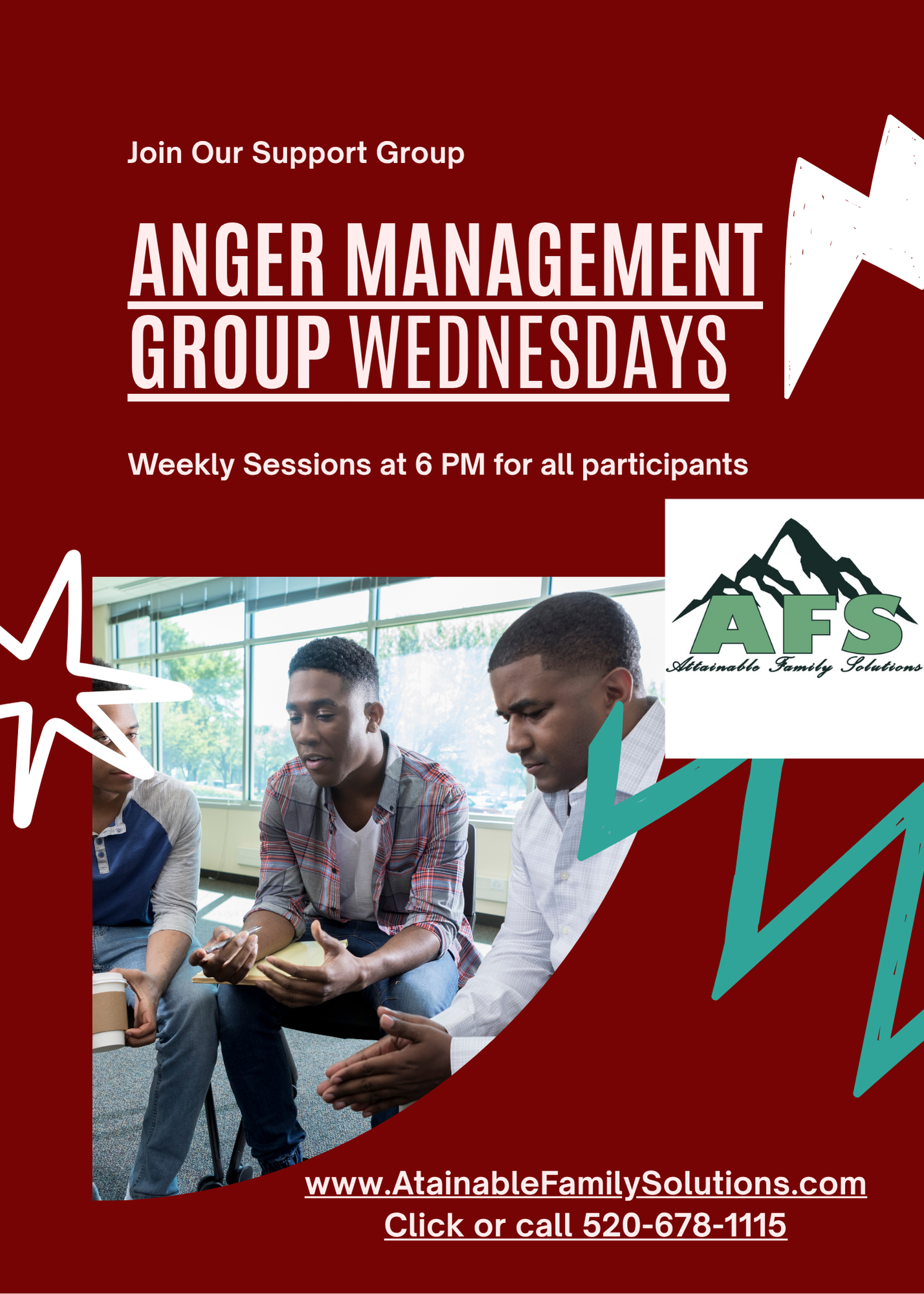
Flyer for anger management group Wednesdays with a circular photo of people in a counseling session.
By Dwayne Kruse • June 13, 2025
Anger Management Group – Wednesdays at 6:00 PM For a limited time only we are offering our intake and treatment planning at the weekly group rate. Are you seeking effective strategies to manage anger, fulfill court requirements, or simply improve your emotional well-being? Our new in-person group anger management class offers a personalized approach to help you gain control. • When: Wednesdays at 6:00 PM • Cost: $60 per hour • What to Expect: o Personalized treatment plan after initial intake. o Group sessions designed to teach you how to identify and manage stress using the Family-Centered Regulatory Therapy (Stress Model). o Opportunity for a completion letter or certificate. • Court & Probation Approved? This class can satisfy 20 or 50 hours of anger management requirements for probation or diversion. We work directly with your probation officer or diversion counselor. Bring your complete written requirement so we can determine whether the program matches the required hours, deadline, and documentation. Final acceptance is determined by the referring authority. • Individual Counseling: Available to fulfill domestic violence credits. Whether court-ordered, spouse-requested, or for personal growth, you'll find a supportive, respectful environment focused on your needs. Learn to be less reactive and cultivate compassion for yourself and others. Ready to take the first step? Call Us at 520-678-1115
Man in a lavender shirt leaning on a rock outdoors with blurred trees in the background
By Dwayne Kruse • March 5, 2025
We have a complete solution that can meet your needs in just five meetings.
Person facing a wall with a question mark turning into gears and a light bulb, symbolizing ideas and problem-solving.
By Dwayne Kruse • August 8, 2023
How do I enhance my relationship? A Certified Life Coach can help.
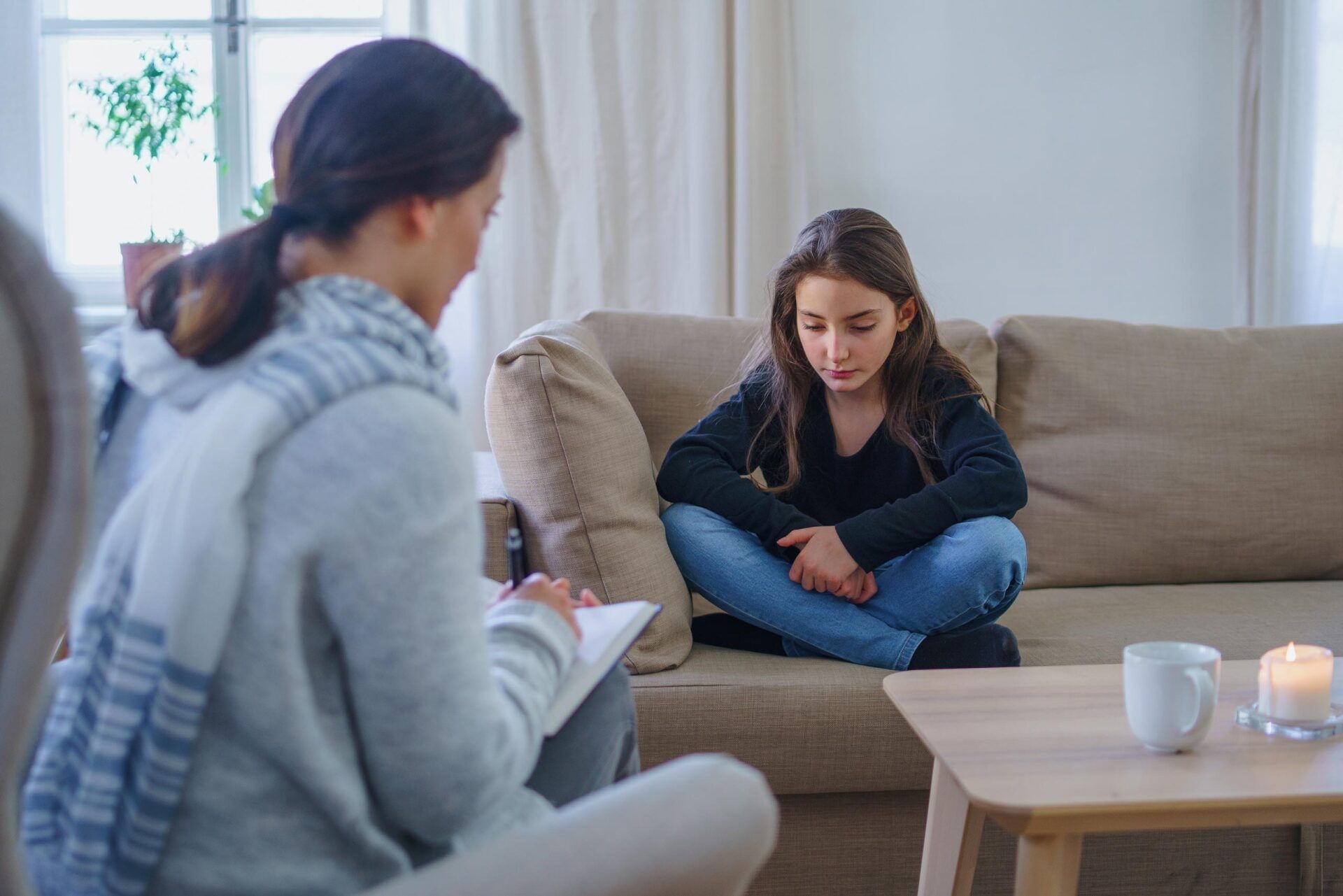
Two people sit quietly in a living room, one taking notes while the other sits on a sofa.
By Dwayne Kruse • April 21, 2023
Are you suffering from depression? What is it depression? How to heal?