Fatherhood - Being a dad
This is a subtitle for your new post

Being a Dad
Being a dad is not
having all the answers
or never losing your way.
It is learning to notice
when the pressure is rising—
in your child,
in your family,
and in yourself.
It is knowing that stress travels.
A tightened jaw,
a sharpened voice,
a door closed too hard—
one nervous system
calling out to another.
And so is calm.
Being a dad is becoming aware
of what you bring into the room.
Your children may forget your advice,
but their bodies remember
whether your presence felt like shelter
or another storm to survive.
It is understanding
that every family has patterns—
some inherited,
some created,
and some waiting for one brave person
to interrupt them.
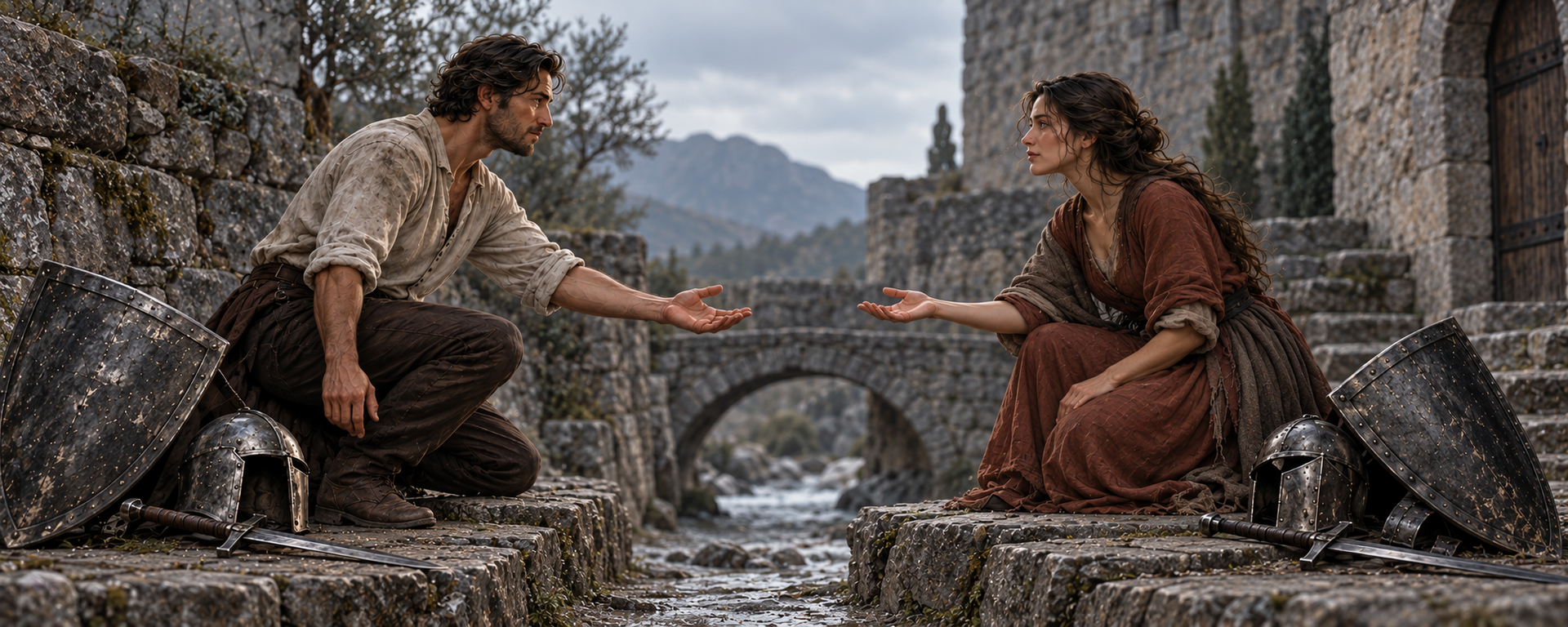
Being a dad is saying,
“This was handed down to me,
but it does not have to pass through me.”
It is pausing when you want to react.
Listening when you want to lecture.
Growing curious when fear
tries to make you controlling.
It is recognizing that anger
may be guarding hurt,
that defiance may be carrying fear,
and that silence may be saying
what a child cannot yet explain.
Being a dad is not keeping
everyone at a one on the Stress Scale.
It is noticing when the family reaches a six,
helping everyone slow down,
and refusing to make permanent wounds
during temporary storms.
It is teaching through relationship:
We can be upset
without becoming unsafe.
We can disagree
without withdrawing love.
We can take a break
and still come back.
We can make a mistake
and repair what happened.
Being a dad is holding boundaries
without withholding tenderness.
It is being strong enough to remain steady
and humble enough to apologize.
“I was too harsh.”
“You did not deserve that.”
“Let me try again.”
Those words do not weaken a father.
They teach his children
that love can survive imperfection
and that responsibility
is stronger than pride.
Being a dad is realizing
you are not merely raising a child.
You are shaping the way
that child will someday understand
love, safety, conflict, courage,
and belonging.
You will not do it perfectly.
That was never the assignment.
The work is to stay present,
to become more aware,
to choose connection more often than fear,
and—when you miss the moment—
to return and repair.
That is how families change.
That is how legacies heal.
That is what makes fatherhood
not perfect,
but powerful—
not effortless,
but attainable.